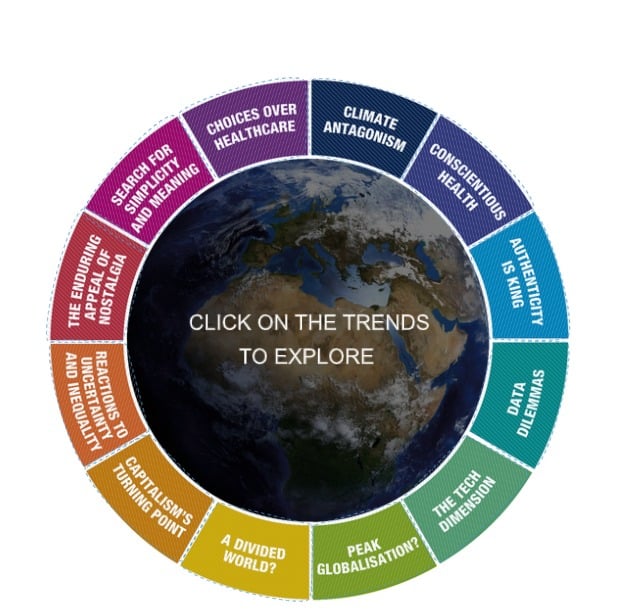
How Life Works Is Evolving- What's Shaping It In The Years Ahead
Ten Startup Shifts Fuelling Global Growth In The Years AheadEntrepreneurship is always a reflection of the present it's situated in, and is shaped by technology, financial conditions, social attitudes to risk, and difficulties that require being solved. The startup landscape of 2026/27 is being shaped by a particular combination of factors: powerful new technology that has dramatically reduced the cost of building an enterprise, a developing international funding system, as well as several genuinely huge problems in climate, health infrastructure and climate, which attract the attention of serious entrepreneurs. Here are ten of the startup and entrepreneurship trends driving global growth heading into 2026/27.
1. AI dramatically reduces the cost Of Starting A CompanyThe cost of creating functional products has been reduced sharply. AI tools now handle significant aspects of software development the design process, marketing copywriting, customer support, and financial modeling that had previously required either substantial capital or huge founding team. A small, nimble team with limited funds can put together a working prototype, create a marketing presence and begin acquiring customers in just a fraction of the time it would have taken five years when it was five years ago. This is creating a wave of more agile, speedier startups and increasing competition virtually every sector, but it is also providing entrepreneurship to a wider range of people.
2. The Solo Founder and Micro-Startups RisingClosely linked to the AI-driven cost reductions for startups is the rising number of solo founders and the microstartup, business managed by only a couple of people, which would have required more than a ten-person team a decade in the past. AI manages customer care, generates articles, code, and manages routine tasks while a single founder concentrates on strategy, relationships and the direction of the product. Some of the fastest-growing enterprises in 2026/27 will be extremely compact operations that generate significant revenue without the massive headcount that has previously been associated with scale. The concept of what a startup's needs to be like is currently being rewritten.
3. Climate Tech Attracts Record Entrepreneurial InterestThe interplay of urgent world requirement and huge capital available has made climate technology one of the fastest-growing areas of startup activity across the globe. Green hydrogen, energy storage green agriculture, sustainable agriculture capture infrastructure for adaptation to climate change, and the systems of software needed for managing the energy transition are all attracting founders and investors in bulk. The government that is backing the sector with the commitment to purchase and policies are de-risking early-stage bets in way that makes climate technology becoming more attractive in comparison with other categories in deep tech. click for source The perception that this is the place where real problems are being resolved is attracting talent as much as capital.
4. Emerging markets create more globally Big StartupsEntrepreneurship's geography is changing. Startup networks in Southeast Asia, Latin America, Africa, and South Asia have gotten more advanced and are now producing businesses that are not merely local variations of Western models, but actually original strategies that are tailored to the specific needs of the market. Fintech targeting people who do not have access to banking and agritech solutions to food security, and healthtech construction of infrastructure where traditional systems do not exist have all spawned enterprises of significant size. International investors who previously focused specifically on Silicon Valley, London, and a handful of other well-established hubs are focused on the growth happening on the ground in Nairobi, Lagos, Jakarta and Bogota.
5. Vertical AI Startups Discover a Strong Product-Market FitThe initial surge of AI excitement brought about a wide variety of horizontal applications competing with each other on the basis of broadly similar capabilities. It is showing to be vertical AI startups that develop highly specialized AI software for particular industries or workflows. Legal document analysis and interpretation of medical imaging, monitoring of construction sites, financial compliance automation, and the optimisation of agricultural yields are just a few areas where AI applications that have been trained using specific domain data and designed to meet the particular needs of the client are proving strong product market suitability and real defensibility in comparison to large generalist rivals.
6. Funding based on revenue is an alternative to Venture CapitalThere are many startups that do not fit with the business model that is based on venture capital, which is a prerequisite for rapid scale and an eventual exit. Revenue-based funding, where investors invest capital in exchange for a percentage of the future revenue, not equity, is growing in popularity as an alternative method of funding. It's ideally suited for growing, profitable businesses which do not require or are not interested in the risk and dilution which are typical of VC. The growing popularity of this model is a part of a larger diversification of the financing environment that makes entrepreneurial ventures feasible for a greater selection of businesses and the profiles of founders.
7. Community-Led Growth Replaces Traditional MarketingThe business models of paid customer acquisition are becoming increasingly difficult as the costs of digital ads have shot up, and consumer trust in traditional marketing has diminished. The most efficient growth strategy to attract a larger number of startups in 2026/27 would be to create authentic communities about their products. They can turn early customers to advocates, contributors even distribution channels. A community-driven growth strategy requires a distinct type of investment in relationships, content as well as the patience to build things that people are eager to be part of, but it generates customer loyalty and organic purchase that paid channels have a hard time to duplicate.
8. and Longevity Tech. And Longevity Tech Attracts Serious CapitalInterest in the extension of longevity of the human body has evolved from the fringes of Silicon Valley obsession into a legitimate and rapidly growing area of startup activity. The advancements in biology research, personalised medicine, diagnostics and the infrastructure technology for monitoring and addressing the aging process have all attracted significant funds. Consumer health startups offering personalised nutritional advice, hormone optimization, preventative diagnostics, and cognitive performance tools are reaching vast and increasing markets among the population who are willing and able to invest on their long-term health.
9. Regulatory Technology Grows As Compliance Complexity RisesThe regulatory environment facing businesses in the fields of healthcare, financial services data privacy, environmental reporting, and employment is growing more complex in many major markets. This is creating significant demand for technology that helps companies comply with their obligations in a timely manner. Regtech startups creating tools for automated reporting, real-time monitoring the management of risk, as well as audit tracks are rapidly expanding as they often collaborate with the regulators themselves in defining what compliance solutions can look like. Compliance burden is usually seen in isolation as a expense, has become a key driver for actual product potential.
10. Business with a mission-driven approach attracts the most talented TalentThe most competent people entering this year's workforce will have more choices than anyone else in the past, and a larger proportion of them are opting to address issues that should be dealt with rather that simply aiming for compensation. Startups that address genuinely major issues in health, education the climate, financial inclusion and infrastructure are superior to commercial businesses seeking top talent when they can offer mission alignment alongside competitive conditions. founders who can provide the reason their business's mission isn't just financial return are finding that purpose is not just an ethos statement, but an actual retention and recruitment advantage.
The startup scene of 2026/27 is more geographically diverse and easily accessible. It's also more focused on tackling difficult problems than it was at previously in the history of entrepreneurialism. Instruments available to founders have never been as powerful and the amount of capital is available to invest in innovative ideas, although more selective that during the easy money era is still significant. For those with a serious need to address and the will to do something about it, the conditions are just as favorable as they've ever been. To find more context, check out these respected vancouverpost.org/ and get expert analysis.
 The Top 10 Online Retail Shifts Reshaping Online Shopping As We Know It In 2026
Shopping online has become so embedded in daily life that it's common to forget that it was thought of as an oddity or exclusive to certain types of merchandise. In 2026/27 online shopping isn't only a means of shopping, it is an integral element in the way that retail works, how brands are built, and what consumers' expectations are built. The industry continues to change quickly, driven by technological advancements and shifting consumer habits which is intensifying competition, as well as the constant pressure on all actor in the industry to justify their presence in an increasingly efficient market. Here are the top ten e-commerce developments that are transforming how we shop on the internet in 2026/27.
1. AI Personalisation Transforms The Shopping ExperienceArtificial intelligence's application in e-commerce personalized shopping has gone past the basics of recommendation engines that suggest products based on previous purchases. AI systems are building dynamic, real-time models of individual shopper intent that react to contexts, times of day and device usage, as well as browsing habits and information from the entire digital footprint. This results in an experience for shoppers that is truly tailored and not generically specific. For businesses, the effect of personalised shopping with sophisticated technology on conversion rates, average order value, and customer retention is huge enough to warrant AI investing in this field has become a crucial factor in competitiveness rather than a competitive advantage.
2. Social Commerce Becomes A Primary Discovery ChannelThe ability to shop directly into these platforms have matured into a significant channel of commerce on its own. Consumers are exploring, evaluating and buying items within their social feeds, aided by creator-generated recommendations or shoppable content. live commerce events which combine entertainment with direct purchases. This model, which was first introduced at large scale in China is now established in Western markets. For brands, the implication of social presence is no longer primarily a brand awareness campaign but rather a direct revenue stream that requires the same commercial rigour as any other element of the retail operation.
3. Ultra-Fast Delivery Rakes The Bar For LogisticsCustomers' expectations about delivery times increase. Same-day delivery is becoming a norm in urban areas and competition in reducing the gap between the time of order and receipt has led to significant investments in logistics infrastructure, microwarehousing closer to demand centers autonomous delivery vehicles and drone delivery systems which are moving from trial to operation in a growing range of locations. for smaller retail stores achieving these expectations independently is increasingly complex, which has resulted in the creation of fulfilment networks as well as third-party logistics companies that can handle the infrastructure needed. Environmental impacts of rapid transport logistics are receiving increasing attention, along with the competition in the market.
4. Recommerce And The Circular Economy Reshape RetailThe market for secondhand, refurbished, and pre-owned goods is growing faster than new sales across a range of categories. Customers' desire for lower costs and lower environmental impacts and the appeal goods that are no longer new are driving the expansion of peer-to?peer marketplaces for resales, operating recommerce platforms for brands, and specialty resellers that specialize in fashion, furniture, electronics, and sporting items. Major brands have invested in resales and refurbishment operations both in order to benefit from secondary markets and keep relationships with customers looking to purchase secondhand rather than new. The stigma associated with buying secondhand goods across a range of segments has gone away in the younger age group.
5. Augmented Reality Lessens The Risk Of Online ShoppingOne of the persistent limitations of online shopping compared to physical retail has been that it is difficult to assess a product before purchasing. Augmented Reality is tackling this in specific areas with enough maturity to be affecting purchasing behaviors and returns in a significant manner. Making a decision to wear eyewear, clothing and cosmetics on the spot, placing furniture and home accessories in a real space using a smartphone camera, as well as examining products at an actual dimensions in the context of purchase All of these capabilities are shifting from impressive demos to regular features on the major platforms as well as brand sites. The categories in which fit, scale, and look in their contexts are gaining the greatest impact on conversions and returns.
6. Subscription Commerce is More Than ConvenienceE-commerce subscription models have matured beyond the straightforward convenience concept of regular replenishment of consumables. The most popular subscription models for 2026/27 are founded on community, curation, and the ongoing value that justifies paying for the long-term rather than lock-in mechanics prevalent in the previous models. Customers have become significantly aware of the value of subscriptions and cancellation rates are a slap on offerings that rely on inertia rather than real, long-term benefits. In the case of retailers, the advantages of subscription, including higher quality of life, predictable revenue and deeper customer relationships are appealing when the value proposition behind it is sufficient to win the trust of customers.
7. Cross-Border E-Commerce Grows And ComplexifiesThe ability to purchase through retailers from anywhere in world has brought enormous market opportunities and equally significant operational hurdles in the area of customs taxes, returns, localisation and consumer protection. Cross-border e-commerce is growing in both retail and consumer markets as both expand their reach beyond domestic markets, however the complexity of regulation is growing as well, with more jurisdictions taking on digital services taxes and product safety rules, and consumer rights frameworks that apply also to sellers from abroad. The retailers succeeding in cross-border market are those that make a significant investment in localisation, compliance infrastructure, as well as the logistics infrastructure that international commerce requires.
8. Voice And Conversational Commerce Find their Use for CasesVoice-based purchases, long forecasted as a transformative channel that has consistently failed to meet that expectation has gained more progress in the context of specific and well-defined situations. Reordering consumables that are frequently purchased including items to shopping lists, and looking up order status are just some of the areas where voice interactions provide significant advantages over screen-based alternatives. Conversational shopping assistants with AI technology, operated via chat interfaces and not than voice, are proving more adaptable and able to help consumers make better decisions when purchasing by comparing options, and receive personalized recommendations via dialog format. This is better for purchases that are considered in comparison to conventional search and browse.
9. Sustainability Claims Are More Scrutinized And RegulationThe desire of consumers to know the environmental as well as ethical standing of online shopping is high but so is scepticism about the claims about sustainability that companies make. Greenwashing regulations are being tightened across major market segments, with the requirement of substantiated claims, specific labelling, as well as transparency about the practices used in supply chains that leave vague sustainability information legally perilous. Retailers who have made significant environmental improvements in their supply chains and operations are seeing that demonstrable, authentic sustainability credentials are now an important distinction in the marketplace for the growing population of shoppers who are willing for action based on their stated green choices if credible information is available to justify their decisions.
10. Payment Innovation Continues To Reduce FrictionThe checkout experience, which has been one of the largest causes of abandoning your basket in electronic commerce, is continuously improving with payment innovation, which reduces friction at the final and vitally important phase of the purchase experience. Pay-as-you-go has matured, and is currently facing more scrutiny from regulators regarding pricing and transparency. Digital wallets are increasingly becoming the preferred payment method for a larger percentage of online transactions. A biometric verification method is replacing passwords or card information entry in various contexts. One-click purchases, embedded payments via social platforms and apps, and the continued expansion of open banking-based payment options are all making a difference in a checkout experience which is more efficient, faster, secure, and less likely to lose the customer in the last second.
In 2026/27, e-commerce will be more advanced, more competitive, and more consequential for the retail industry as a whole as it has been in previous years. The trends above point toward an upward direction in the retail industry that rewards retailers who invest seriously in customer satisfaction, operational excellence and genuine value-creation in comparison to those that rely on category monopolies, information gaps, or lock-in mechanisms that consumers have become more adept in understanding and avoiding. The landscape of online shopping is evolving quickly, and the distance between where it is now and where it will be in another five years is likely to be as shocking like the distance traveled. For more information, browse some of these trusted giornalecentrale.it/ and find trusted analysis.